OverDrive’s Waitlist Isn’t a Shortage. It’s a Licensing Cap.
The Libby app is OverDrive, owned by the private-equity firm KKR. What you borrow, why there’s a wait, and what the screen won’t show you. The facts, with sources.
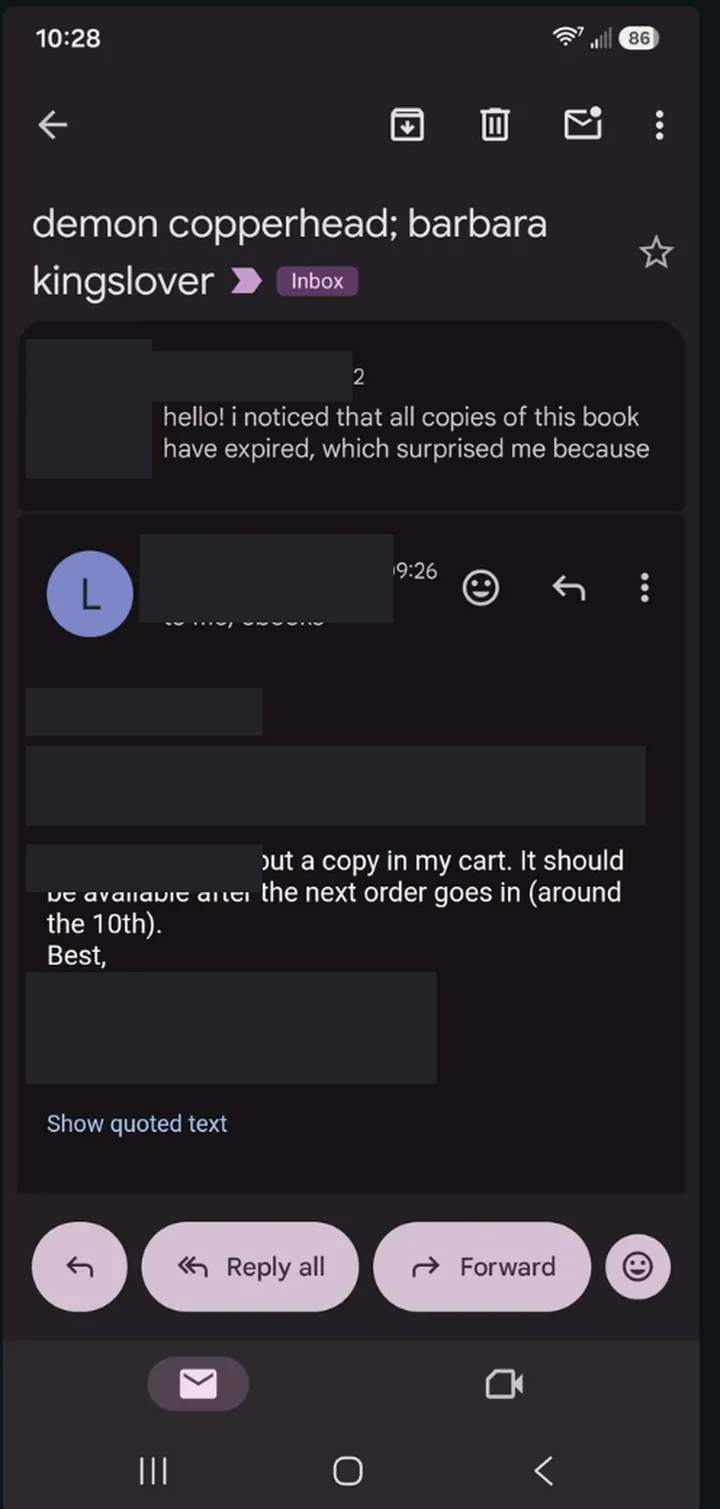
A Reddit user asked the r/LibbyApp sub why their hold never came.
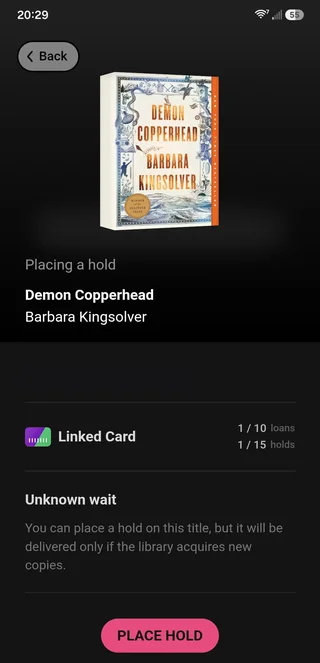
They reached out to their library and learned the title’s copies had expired; a librarian had to order another before they could read it.
You place a hold on an ebook in Libby and wait weeks for a file that takes no shelf space. The wait isn’t a supply problem. The app is OverDrive, and a library can lend only as many copies at once as it has bought licenses for. Each license is capped: it expires after about two years or a set number of checkouts, and then the library buys it again. The wait is a budget limit, not a technical one.
OverDrive is owned by KKR, a private-equity firm. A library’s own bill is sometimes on the public record; what OverDrive earns across every library, and how much of that KKR keeps, is not.
Receipts · sources
Who owns it. OverDrive is owned by the private equity firm KKR, which agreed to buy it from Rakuten in December 2019 and completed the deal on June 9, 2020, investing through its Americas XII Fund (OverDrive; KKR; Library Journal). KKR managed more than $700 billion in assets as of its 2025 annual reporting (KKR & Co. Inc., SEC filings).
The expiring license. Big Five library ebooks are licensed, not sold: Penguin Random House capped its adult ebook price to libraries at $55 on a two-year license (American Libraries / ALA, 2018); other publishers meter by checkouts (HarperCollins’ 26-loan model) or by time. Still roughly $48–68 for a two-year term in 2024 (ReadersFirst). The hold queue is a function of how many simultaneous licenses a library can afford, not how many readers want the book.
What you can’t see. A single library’s OverDrive bill can sometimes be found in a board packet or city checkbook. What OverDrive earns across all its libraries, and how much of that KKR keeps, is not: OverDrive discloses no US-public-library revenue, and KKR reports only firm-wide totals. The inability to see it is the finding, not a gap in the reporting.
The frontlist is a law problem. The one route to owning rather than licensing digital books, controlled digital lending, was held not to be fair use by the Second Circuit in Hachette v. Internet Archive (Sept. 4, 2024), which found it a “competing substitute” for the ebook-license market (opinion, 2d Cir.; Authors Alliance).
What this is not. This is not a claim that KKR, OverDrive, or any owner is doing something illegal, or that profit is being extracted from libraries. The point is narrower and on the record: the ownership, the price, and the flow of money are structurally hidden from the people who fund and use the library.
How these filings are sourced: Method.
Filed June 2026. No corrections to date.
New filings
One note when something actually changes. Quiet by design, no sponsors, no kickbacks, no upsell.
Follow by RSS. No form, no third party, nothing collected.